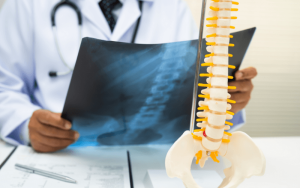

Back pain is one of the most common reasons adults visit a doctor, with nearly 80% of adults experiencing lower back discomfort at some point in their lives. However, not all back pain is created equal. When lower back pain strikes, many patients struggle to determine whether they are dealing with a simple muscle strain or a nerve condition like sciatica. Distinguishing between general mechanical back pain and sciatica is crucial because each condition originates from different structures in the spine and requires distinct medical strategies for relief.
At Pain Management of North Dallas, our team of board-certified pain specialists and physical medicine experts helps patients across Dallas, Plano, Frisco, and McKinney pinpoint the exact source of their discomfort so they can return to living life pain-free.
Understanding the Fundamental Differences Between Back Pain & Sciatica
While both conditions affect the lower back region, their root causes, symptom locations, and physical sensations differ significantly. Mechanical back pain tends to stay localized within your lower back, hips, or upper glutes. It usually feels like a dull, aching soreness or deep stiffness, often triggered by bending, lifting heavy objects, or standing up after sitting for extended periods. This type of chronic pain generally stems from physical wear-and-tear or overexertion in the muscles, ligaments, or facet joints of the spine, and it rarely produces numbness or symptoms that travel down the legs.
Sciatica, on the other hand, is a specific neurological condition caused by compression or irritation of the sciatic nerve, which is the longest and largest nerve in the human body. Because the sciatic nerve originates in the lower spine and travels through the buttocks down into each leg, sciatica produces distinct radiating pain. Instead of a localized muscle ache, sciatica typically feels like a sharp, shooting, or electric shock-like sensation that fires down one side of the body, often extending past the knee into the calf or foot. It is routinely accompanied by “pins and needles” tingling, burning, or muscle weakness in the affected leg.
Muscle, Spine, or Nerve Pain? Discovering the Cause of Your Discomfort
The underlying causes of standard mechanical back pain usually involve the soft tissues and structural joints of the spine. Poor posture, weak core muscles, improper lifting techniques, and sudden awkward movements can strain lower back muscles or sprain supporting spinal ligaments. Additionally, age-related wear-and-tear can lead to osteoarthritis in the delicate facet joints that connect your vertebrae, causing localized inflammation and stiffness that worsens throughout the day.
In contrast, sciatica occurs when an anatomical structure directly pinches or inflames the nerve root as it exits the spinal column. The most common culprit is a herniated or bulging disc, where the soft gel-like center of a spinal disc pushes outward against the sciatic nerve. Other causes include spinal stenosis—a narrowing of the spinal canal that crowds the nerves—spondylolisthesis, where one vertebra slips forward over another, or piriformis syndrome, which occurs when a tight muscle in the buttock compresses the nerve pathway.
Red Flag Symptoms: When to See a Doctor for Sciatica
While minor muscle strains often resolve with gentle movement, ice, and rest over a couple of weeks, nerve compression requires careful monitoring to prevent long-term damage. Furthermore, certain critical warning signs indicate severe sciatic nerve compression that requires prompt or immediate emergency medical care:
- Loss of bowel or bladder control: Sudden incontinence or difficulty urinating, which can indicate Cauda Equina Syndrome, a medical emergency requiring immediate surgery.
- Progressive leg weakness or “foot drop”: Marked weakness in your leg or difficulty lifting the front part of your foot while walking.
- Saddle anesthesia: Numbness or total loss of sensation in the inner thighs, groin, or buttock area.
- Severe, unrelenting night pain: Intense discomfort that fails to ease with rest or consistently wakes you from sleep.
- Fever or unexplained weight loss: Severe back pain accompanied by broader, systemic symptoms.
You should seek evaluation from our board-certified pain management specialists if your pain lasts longer than a few weeks, progressively worsens, or interferes with your ability to sleep and perform daily tasks.
Non-Surgical Sciatica Solutions at Pain Management of North Dallas
Finding relief does not automatically mean undergoing invasive surgery. Our multidisciplinary care team at Pain Management of North Dallas offers advanced, targeted therapies designed to resolve pain at its root cause without lengthy recovery times.
Depending on your precise diagnosis, your customized care plan may include:
- Interventional Pain Procedures: Targeted epidural steroid injections (ESI) to rapidly reduce inflammation around pinched nerve roots, facet joint injections, and targeted trigger point therapy.
- Physical Medicine & Rehabilitation: Customized physical medicine strategies to build core stability, restore proper spinal alignment, and permanently relieve pressure on nerve pathways.
- Specialized Medication Management: Non-opioid anti-inflammatory treatments and nerve-calming medications carefully tailored to manage acute flare-ups safely.
If you are dealing with a stubborn lumbar muscle sprain or sharp, radiating sciatic pain, an accurate diagnosis is the single most important step toward lasting recovery. Don’t let ongoing back discomfort dictate your daily routine, work, or quality of life. Contact the expert team at Pain Management of North Dallas today to schedule your consultation at one of our convenient locations in Frisco, Plano, McKinney, or Dallas.